Comparing Wool-Filled versus Latex Pillows: Comfort, Coolness, and Care
A Vogue-styled exploration of how natural warmth and responsive resilience shape pillow choice, from temperature regulation to maintenance routines.
Published October 3, 2026
In the intimate world of sleep, the pillow is not merely a prop but a personal ally. When you lean back into the night, your pillow should whisper comfort, cradle your neck, and respond to the body's rhythms with poise. On the forefront of natural materials, wool-filled pillows bring a whispered warmth and breathability that can feel like a soft embrace. Latex pillows offer a different kind of luxury: consistent support, buoyant lift, and a contouring bounce that holds your alignment with seasonal poise. This article navigates the luxe realm of wool-filled versus latex pillows, focusing on temperature regulation, support dynamics, and care routines. We’ll explore how these materials perform across sleep positions, how they address allergies and sensitivities, and what maintenance looks like for long-lasting, changeless comfort.
In the realm of wool-filled pillows, the loft and fiber structure play starring roles. Wool’s natural crimp, moisture-wicking properties, and insulating tendencies make it a sympathetic companion for people who overheat at night or sweat during rest. Wool’s breathability arises from its hollow, air-trapping cells, which help regulate temperature between seasons. This dynamic lofting—where wool blooms with life as you move—offers a unique blend of resilience and softness, allowing the pillow to adapt to various sleeping positions while maintaining a supportive contour. For sleepers seeking a plush, year-round surface that remains breathable without relying on synthetic foams, wool provides a refined path to sleep serenity.
Latex, by contrast, is celebrated for its dependable rebound and consistent contouring. A latex core delivers predictable support, with bounce that preserves loft while resisting the dreaded flattening that can accompany other fillings. In latex-based designs, wool is sometimes wrapped around the core or used as a responsive layer to temper the latex’s buoyancy with natural temperature control. The result can be a pillow that offers a crisp neck alignment for side sleepers and a stable base for back sleepers who crave steady posture without sinking too deeply into the pillow’s surface.
Beyond feel, care considerations shape long-term satisfaction. Wool-filled pillows thrive with gentle care that preserves loft and purity, often featuring removable cotton covers and washable outer layers while preserving the natural wool interior. Latex-based designs, when paired with wool, require mindful handling of the latex core and its protective cover. Cleaning guidance and allergen considerations become vital for households mindful of sensitivities. The goal is to balance the sensory delight of a luxurious, breathable surface with practical maintenance that keeps the pillow fresh, hygienic, and supportive across seasons.
1) Temperature regulation and comfort profiles
Wool-filled pillows offer natural temperature regulation that can be especially appealing for hot sleepers. Wool’s porous structure and moisture-wicking properties draw moisture away from the skin, promoting evaporation and a cooler night’s experience in warmer months. When temperatures drop, wool’s insulating qualities trap a gentle warmth, helping to maintain a cozy equilibrium rather than a sharp chill. The loft of wool can adapt; as you shift between positions, the wool fibers respond with a subtle resilience that feels both supportive and airy. This responsiveness is particularly noticeable in neck-and-shoulder alignment, where wool’s loft can compress just enough to cradle the curves of the cervical spine without creating pressure points.
Latex pillows, on the other hand, typically deliver a more consistently cool surface due to the open-cell structure and natural breathability of the rubber material. When wrapped with wool, the latex core gains the benefit of temperature buffering without sacrificing the latex’s characteristic bounce. The wool surrounding the core can act as a thermal buffer, absorbing excess heat near the surface and dissipating it gradually, which can be ideal for sleepers who want a cool-feeling surface without sacrificing support. This pairing creates a nuanced balance: latex for contouring and lift, wool for moisture transport and subtle warmth moderation when needed.
From a stylistic perspective, the choice between wool and latex can influence how a pillow sits within a bedding ensemble. Wool’s natural texture and loft tend to create a visibly plush silhouette, while latex designs often present a firmer, more compact profile that maintains a sharper edge for a cleaner bedside aesthetic. The decision often depends on personal preference for fluff versus firmness, the sleeping position, and how the pillow interacts with the rest of the sleep environment's airflow and temperature control.
2) Support, firmness, and sleeping position
Pillow ergonomics are a quiet theater of science and sensation. Side sleepers typically seek a higher loft and a more pronounced contour to fill the space between the neck and shoulder, preserving spinal neutrality. Wool-filled pillows, with their tendency to loft and regain shape, can be ideal for side sleepers who appreciate a cushion that resists collapse while maintaining a responsive feel. The natural bounce of wool helps resist flattening over the night, offering a stable yet plush surface that remains comfortable as the night unfolds.
Latex-based designs, particularly when paired with wool padding, offer a balanced approach. For back sleepers, a medium firmness with consistent support can be ideal to maintain cervical alignment without causing the head to tilt forward. For stomach sleepers, a lighter, more breathable latex layer can provide sufficient support without overextending the neck. The addition of wool can soften the otherwise crisp contour, adding warmth and a gentle cushion that reduces the sensation of pressure on the face while maintaining airway openness.
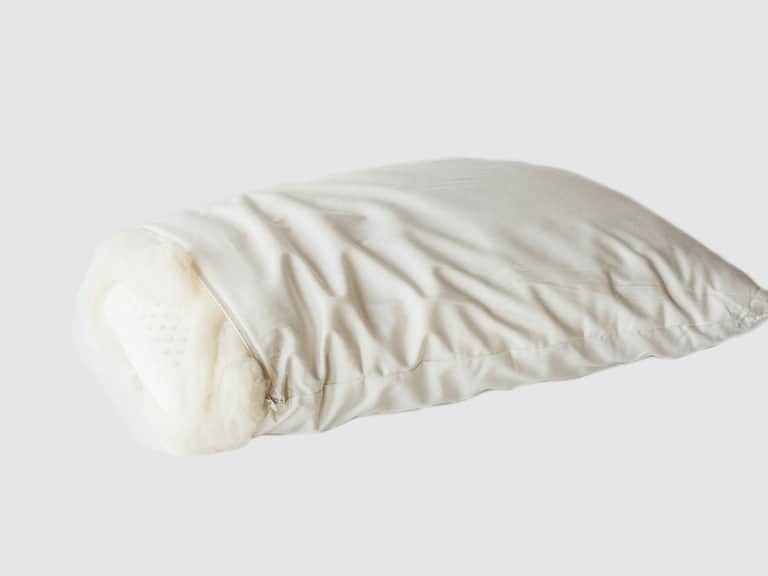
For those who enjoy a customizable experience, some wool-wrapped latex pillows feature adjustable loft via a zippered cover, enabling the user to fine-tune the height and firmness. This flexibility is especially appealing for couples with different sleep preferences or for individuals who want to adapt to changing comfort needs across seasons. The key takeaway: choose a pillow whose contour aligns with your primary sleeping position, provides consistent neck support, and allows for easy adjustments that preserve long-term comfort.
3) Allergy considerations and material purity
Allergen-aware shoppers often gravitate toward wool and latex for their natural properties. Wool can be naturally dust-m mite resistant and hypoallergenic when properly processed, but the specific wool’s origin and processing matter. GOTS-certified or organic certifications in pillow fills and casings can reassure buyers about chemical exposure and animal welfare considerations. For sleepers with sensitivities, choosing a pillow with clearly documented material provenance reduces the risk of irritants and ensures a cleaner sleep surface.
Latex, particularly when processed with natural Dunlop or other latex foams, can be low in volatile organic compounds compared to some synthetic foams. However, latex allergies exist, and it is essential to verify ingredient disclosures and cross-contact risk with any wool fills. If an individual has known latex sensitivity, a wool-wrapped option that uses a latex-free outer assembly or a fully wool-filled pillow can be a safer alternative. In both categories, removable covers with fabric certifications (GOTS, organic cotton, or other textile certifications) help maintain a clean and allergen-aware sleep environment.
4) Care routines: maintenance, longevity, and care myths
Care for wool-filled pillows tends toward preservation of loft. Most wool-filled pillows rely on a removable, washable outer cover that protects the wool core. Regular airing and occasional airing-out between seasons can preserve loft and freshness. When washing is possible, use cold water and a light detergent, and avoid heavy agitation that could mat wool fibers. A gentle tumble on low heat or air-drying on a line can help restore loft after washing.
Latex-filled pillows, particularly if the core is wrapped in wool, demand attention to avoid chemical exposure and to maintain the latex’s elasticity. Spot cleaning is often recommended for latex cores, with a preference for washing the outer cover rather than the core itself. If the pillow is designed with a zippered cover, removing the core for maintenance can prolong its life, ensuring the latex remains resilient while the wool layer continues to regulate moisture and temperature at the surface.
A broader maintenance tip: rotate pillows seasonally, utilize breathable dust-m mite resistant covers, and pay attention to pillow loft as it naturally settles. Materials vary in their rate of loft loss—latex tends to retain shape, while wool can settle slightly over time but recover with proper loft restoration techniques. The goal is to maintain a consistent feel that aligns with your sleeping habits while preserving the pillow’s structural integrity for years to come.
5) A practical guide to choosing between wool-filled and latex pillows
If your priority is a breathable surface that tolerates warm nights with grace, a wool-filled pillow is a chic choice. The natural temperature regulation and moisture management help keep you dry and comfortable, while the loft and resilience provide a cushion that remains inviting across hours of sleep. Wool-filled designs often pair well with a wool-wrapped latex option to bring together contouring support with warmth regulation. Look for pillows that use certified organic wool and natural fabrics for the most transparent and clean sleep experience.
If you prize consistent contouring, edge-to-edge support, and a buoyant yet stable feel, a latex-based pillow (especially one wrapped in wool for temperature regulation) can offer the ideal blend of lift and responsiveness. Consider the firmness level, whether you want adjustable loft, and whether you need a pillow that maintains its shape during the night. Ensure the core is paired with a breathable, natural cover and that any wool wrap is securely encased to prevent shifting during use.
For those who desire the best of both worlds, a wool-wrapped latex pillow can deliver a sophisticated balance: latex provides predictable support, while the wool wrap adds moisture management and temperature balance, resulting in a sleep surface that remains comfortable through seasonal changes. When possible, trial multiple options if you can, and consult product details for certifications, care instructions, and return policies before making a final selection.
6) A curated selection: notable options that fit the Woolpillow.org ethos
Within the contemporary market, several pillows demonstrate the elegant fusion of wool and latex in thoughtfully crafted ways. A standout example is a Natural Wool-Wrapped Latex Bed Pillow that uses a Dunlop latex core wrapped in premium eco wool inside an organic cotton sateen zippered cover. This pillow balances supportive loft with breathable, natural textures, offering comfort for side and back sleepers and a practical care regimen that fits a refined lifestyle. Its natural materials, organic certifications, and attention to care align with the Woolpillow.org wellness-forward approach to sleep.
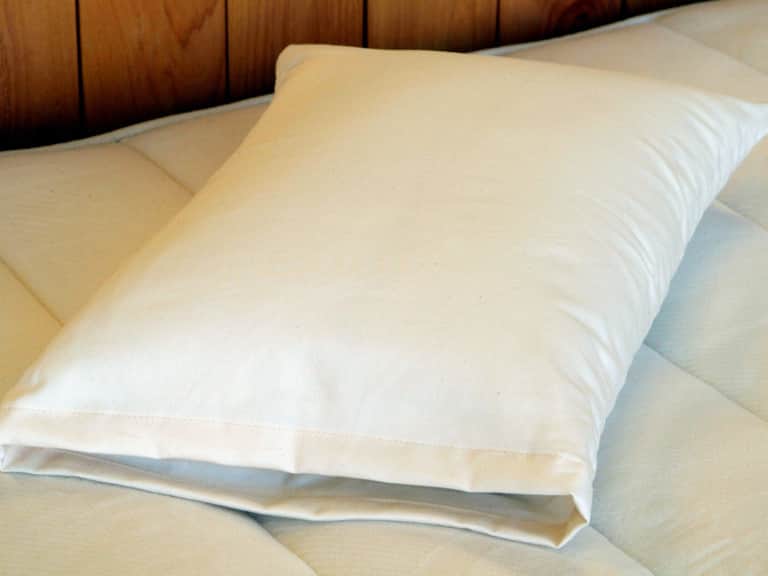
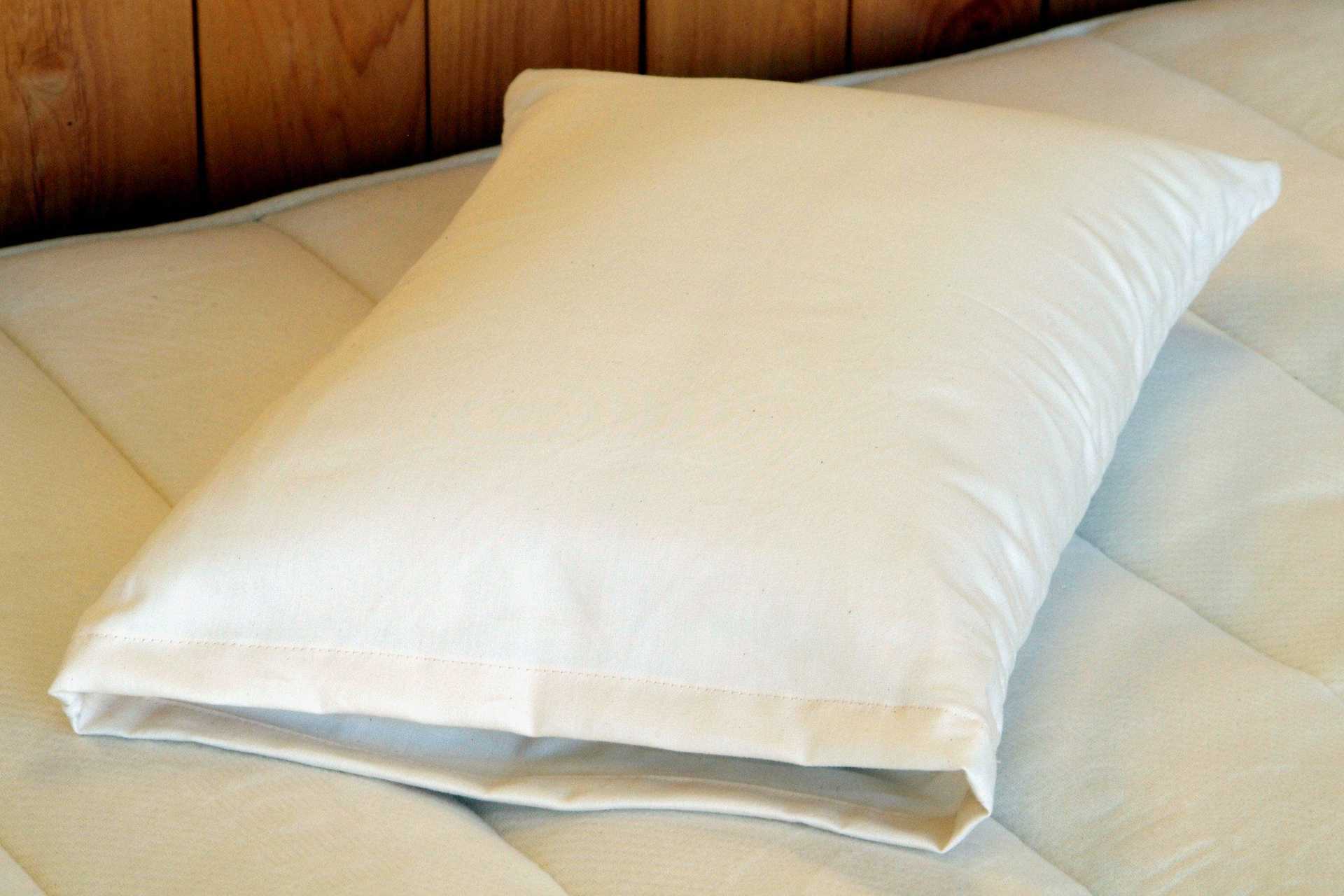
Another refined option is a Snuggle Pillow—a compact, packable design that uses Premium Eco Wool inside an organic cotton sateen shell, accompanied by a separate organic cotton sateen case. This pillow embodies travel-friendly luxury, prioritizing simplicity of care and ease of use without compromising on the natural softness and warmth of wool. It’s an ideal companion for bedtime rituals at home and on the go, embodying the calm and purposeful luxury that characterizes the Woolpillow.org aesthetic.
For lovers of flexibility, a Wool-wrapped latex pillow with a zippered loft adjustment demonstrates how a pillow can be both luxurious and adaptable. The core remains responsive while the surface benefits from the wool’s moisture management, delivering a design that supports varied sleep positions and allows for seasonal adjustments. In a market saturated with synthetic-laden options, these examples highlight how organic, natural materials can offer modern ergonomics with an elegant, sustainable footprint.
7) Conclusion: the care and craft of choosing wool or latex
In the end, the choice between wool-filled and latex pillows is a conversation about how you want to feel as you drift into rest. Wool offers a whisper of warmth, breathability, and adaptive loft that can beautifully support a range of sleeping postures while maintaining a natural, toxin-free profile. Latex provides a dependable contour, resilient lift, and an enduring shape that can paired gracefully with wool layers to optimize temperature regulation. Each path speaks to a lifestyle that prizes comfort, health, and sustainability in everyday rituals.
As you cultivate a sleep environment that reflects your values, remember that the journey to the perfect pillow is not a sprint but a refined, sensory experience. Consider certifications, material origins, care requirements, and personal sleep patterns. Allow yourself the luxury of time to explore different textures, densities, and lofts. The ultimate pillow is the one that feels as effortless as a sigh—soft, supportive, and utterly you.
Notes on product relevance
Within this discussion, we reference specific product profiles that genuinely align with wool-filled and latex pillow themes. Notable examples include the Natural Wool-Wrapped Latex Bed Pillow, which demonstrates the elegant fusion of natural materials and ergonomic design. We also consider the Snuggle Pillow as a portable, wool-centered option that embodies the travel-ready luxury featured in the Woolpillow.org ethos. These selections illustrate how real-world products can embody the editorial focus on comfort, sustainability, and mindful care.
For readers seeking further shopping context, these options reflect the way brands articulate material provenance, care instructions, and certifications while maintaining a sense of refined luxury in everyday sleep. The goal is to offer a thoughtful, non-commercial exploration that helps you understand how wool and latex can shape a more comfortable night’s rest.