Travel & sleep comfort
A Practical Guide to Choosing a Travel Pillow for Better Rest Away from Home
A good travel pillow is less about looking perfectly prepared at the gate and more about arriving with your neck, shoulders, and sleep routine intact. The right one fits the journey, packs without fuss, and offers support that feels natural rather than restrictive.
Published October 24, 2026
Travel unsettles the small rituals that make rest possible. A familiar pillow disappears, a seat reclines only so far, and the gentle promise of a quiet night gives way to changing time zones, shared rooms, or the soft turbulence of a long-distance train. A travel pillow cannot turn every journey into a bedroom, but it can make rest more comfortable by giving your head and neck a more considered place to settle.
The best choice is personal. A compact bed-pillow shape may feel reassuring in a hotel or on a road trip, while a curved neck pillow may be easier to use upright. Fill, firmness, dimensions, cleaning requirements, and packing space all play a part. The aim is not to find a pillow that does everything; it is to identify the kind of support that suits the way you travel.
This guide offers a practical framework for comparing travel pillows, understanding loft and shape, and keeping a pillow fresh between trips. It treats comfort as a matter of fit and habit, not as a promise of perfect sleep.
Start with the journey, not the label
“Travel pillow” can describe very different things: a small rectangular pillow for a hotel, a U-shaped cushion for an aircraft seat, or a compact support pillow intended for a car, train, or overnight stay. Before comparing materials or features, picture where you are most likely to use it. The best option for a window seat may be inconvenient for a backpacking trip, while a tiny pillow that packs beautifully may not provide enough support for a full night away.
Consider the position you expect to rest in. Will you be upright, leaning against a window, reclining in a sleeper-car berth, or sleeping in an unfamiliar bed? Will the pillow be used for a short nap or several nights in a row? These details change what “portable” and “supportive” mean. A pillow that works in a seat needs to stay put and support the head in a constrained position. A bed pillow needs enough surface area and loft to suit your usual sleeping posture.
It is also worth thinking about the rest of your travel setup. A pillow may need to fit into a carry-on, attach to a bag, or share a small suitcase with clothing and toiletries. If you travel frequently, ease of cleaning and dependable construction may matter more than a clever shape. If you take an occasional overnight trip, familiarity and comfort may matter most.
Choose a shape that suits the way you rest
Compact bed-pillow shapes
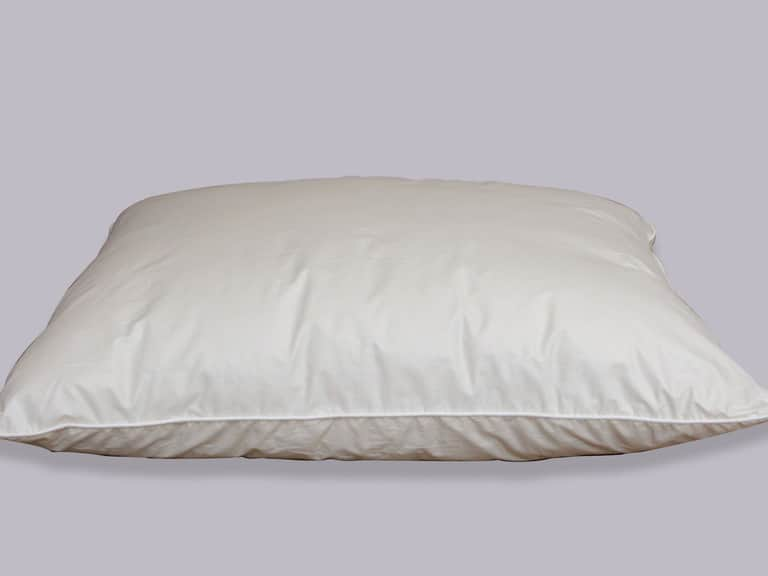
A small rectangular travel pillow can feel like a welcome piece of home. Its familiar outline makes it versatile: it can be used in a hotel bed, on a sofa, in a tent, or as extra support behind the back. This shape may appeal to people who dislike the close-fitting feel of a neck cushion or who want a pillow that can be used in more than one setting.
Its limitation is that a small rectangle may not stay in position when you are seated upright. It can also be too short or too narrow to support the head comfortably for a long stretch. Check the measurements rather than relying on product names, and think about whether you would use the pillow only for travel or also at home.
Neck-support shapes
Curved or U-shaped designs are made to sit around the neck and can help prevent the head from tilting sharply to one side while seated. Some travelers appreciate the sense of enclosure; others find that a high or firm edge pushes the chin forward or feels restrictive. Neck shape, shoulder width, seat position, and personal preference all influence the result.
Try to assess how the pillow will behave when you lean back, sit upright, or rest against a window. A shape that seems comfortable while standing in a shop may feel different when used against a seat. If possible, test it in a seated position before committing to a long journey.
Specialty and body-support designs
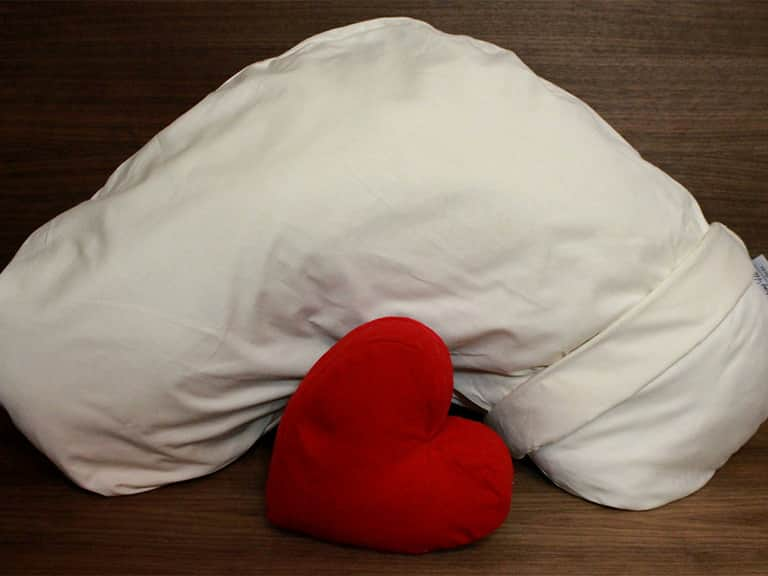
Some pillows offer a contour, a side-sleeper profile, or a longer shape intended to support more of the body. These may be useful at a destination where you will sleep in an unfamiliar bed, particularly if your usual posture depends on specific support. They are generally less compact than a small travel pillow, so weigh the comfort benefit against the packing space they require.
Specialty shapes are not automatically better. A contoured pillow only helps if its height and shape suit your body and sleeping position. If you are uncertain, a simple, adaptable design may be easier to use across different beds and settings.
Understand loft, firmness, and support
Loft is the pillow’s height when it is resting under your head. Firmness describes how much it compresses when you apply weight. The two qualities work together: a pillow can be tall but soft, or relatively low and firm. For travel, both matter because a seat, mattress, and sleeping posture may differ from what you are accustomed to at home.
When you lie down, aim for a position in which your head feels supported without being pushed noticeably upward or allowed to sink too far. Side sleepers often need more height to fill the space between the shoulder and head, while back sleepers may prefer a moderate profile. Stomach sleeping typically calls for less loft, although comfort and individual needs vary. These are starting points, not rules.
In a seated setting, support has a different job. The pillow should help the head rest without creating pressure at the jaw, throat, or sides of the neck. Some people prefer a pillow that holds the head still; others want a softer cushion that allows a little movement. Neither preference is universal. The important question is whether the design feels comfortable after it has been in place for more than a few minutes.
If you can adjust the fill, make small changes rather than removing a large amount at once. A zippered pillow that allows filling to be added or taken out may make it easier to customize loft, but adjustment is useful only when the construction can be managed neatly. For a fixed-fill pillow, focus on dimensions, shape, and how the pillow compresses under your head.
Compare fills by feel and practical needs
Fill influences a pillow’s weight, resilience, texture, and care. It does not determine comfort on its own: construction, fill quantity, casing, and shape all contribute. A sensible comparison looks beyond broad descriptions and asks how the pillow will feel in use, how it behaves when packed, and what its label says about maintenance.
- Wool: Wool can feel resilient and breathable, and it is valued for its ability to manage moisture. Wool-filled pillows are not all alike; batting, clusters, and other constructions create different levels of softness and loft. Many are spot-clean only, so read care instructions carefully.
- Latex: Latex often offers responsive support and a springy feel. A latex core or latex blend may retain a more defined shape than loose fill, but can be heavier or less compressible for packing. Check whether the cover can be removed and how the core should be handled.
- Down and feather: These fills are often associated with a soft, compressible feel, though the balance of softness and support varies by construction. Their care requirements depend on the product, so follow the label rather than assuming every pillow can be washed in the same way.
- Synthetic fills: Synthetic fibers can be lightweight and widely available in different shapes and firmness levels. Some are machine washable; others are not. Check whether the fill clumps or compresses over time and whether the pillow can be restored after packing.
- Plant-based fills: Materials such as kapok may offer a light, airy feel. As with any fill, the particular construction matters, and care may be limited to spot cleaning.
Natural does not automatically mean washable, and machine washable does not automatically mean easy to care for on the road. A pillow with a washable outer case can be practical even when its inner fill must remain dry. Look for clear separation between the removable cover and the pillow itself, and note any restrictions on temperature, detergent, drying, or direct sunlight.
Think realistically about portability
Portability has several dimensions: the pillow’s footprint, weight, packability, and how easily it can be carried when not in use. A compact pillow may fit into a day bag but still feel bulky once it is inside its case. A soft pillow may compress readily, then need time to regain its shape. A structured pillow may offer reliable support but occupy more space.
Check the dimensions against the bag you actually use. If the pillow is meant for a carry-on, consider what else needs to fit inside. If it will be clipped or attached to the outside of a bag, think about whether the cover can be protected from rain, dust, and contact with public surfaces. A separate washable case or a clean packing pouch can help keep a pillow separate from shoes and worn clothing.
Be cautious about relying on compression alone. Packing a pillow tightly for a brief period may be practical, but long-term compression can affect the feel of some fills. Follow the maker’s guidance, and allow the pillow to air out and recover after unpacking when appropriate. If a pillow requires special handling, that routine should be part of the portability decision.
Make care part of the comparison
Travel exposes bedding to more than a familiar bedroom does. A pillow may spend time in a suitcase, be used in shared accommodation, or accompany you on a long commute. A removable, washable case can make it easier to refresh the surface between trips. A separate pillow protector adds another layer between the fill and everyday dirt, oils, or accidental spills.
Read the care label before purchase and again before washing. “Washable” may refer only to the cover, not the entire pillow. Some wool and latex constructions are spot-clean only; others have removable components with separate instructions. Washing a fill that is meant to remain dry may damage its shape or performance. When instructions are unclear, seek clarification from the maker rather than improvising.
For spot cleaning, use only the method recommended for the material. Avoid soaking an entire pillow unless its care guidance specifically allows it. If it becomes damp, let it dry completely before packing or covering it. Good airflow and a clean, dry storage place help reduce mustiness between trips.
After travel, remove the case if it is washable and let the pillow air in a well-ventilated place. Do not use direct heat or prolonged sun exposure unless the care instructions permit it. A clean packing pouch can keep the pillow ready for the next journey without allowing it to collect dust in a suitcase.
Consider allergies and sensitivities with care
Material choices can matter to people who are sensitive to particular fibers, finishes, fragrances, or laundering products. A tightly woven cover and a washable outer case may help some travelers maintain a cleaner sleep surface, but no material can guarantee that a pillow will suit every person. “Hypoallergenic” is not a promise that an individual cannot react.
If you have a known allergy or skin sensitivity, review the full material list, including the cover, fill, treatments, and any included case. Consider what laundry products you will use and whether the pillow can be cleaned in the way your routine requires. When symptoms are significant or the trigger is uncertain, consult a qualified healthcare professional for personal guidance.
For families, check age-appropriate sleep guidance before choosing or using any pillow for a child. A travel product’s compact size does not by itself make it suitable for every age or sleep setting. Follow relevant safety advice and the manufacturer’s instructions.
A simple checklist before you pack
Before choosing a travel pillow, run through a few practical questions. The answers can quickly reveal whether a design is a good match for the trip ahead.
- Where will I use it? A seat, hotel bed, tent, and overnight train each call for a different balance of shape and support.
- How do I usually sleep? Think about whether you rest on your side, back, or stomach, and how much loft feels comfortable at home.
- What kind of support do I want? Decide whether you prefer a stable, structured feel or a softer pillow that compresses under your head.
- Will it fit my bag? Compare actual dimensions and weight with the luggage you plan to carry.
- Can I clean it easily? Check whether the case is removable and washable, and confirm how the inner pillow must be cared for.
- Does the material suit me? Review the full composition if you have allergies, sensitivities, or strong preferences about fill.
- Will it work beyond this trip? A pillow that can also serve as a home, reading, or lounge cushion may earn its place in your packing routine.
Common travel-pillow mistakes to avoid
Choosing only by size. Compact dimensions are useful, but a very small pillow may not provide the support you need. Match the footprint to the purpose rather than assuming smaller is always better.
Assuming one shape suits every journey. A neck cushion may be useful upright but less appealing in a bed. A miniature bed pillow may be versatile but unstable in a seat. Think in terms of your most common use, not an imagined all-purpose solution.
Ignoring the care label. A pillow can feel ideal in a shop and become inconvenient if it cannot be cleaned in a way that works for you. Check the cover, fill, and drying instructions before packing it for regular travel.
Expecting a pillow to solve every sleep problem. A supportive pillow can make it easier to settle, but it cannot guarantee uninterrupted sleep or replace appropriate care for persistent pain or sleep concerns. If discomfort continues at home or while traveling, consult a healthcare professional.
Waiting until departure day to test it. Try a new pillow at home before relying on it for a long trip. A short test can reveal whether the loft feels too high, the shape presses against your jaw, or the fabric feels uncomfortable against your skin.
Build a small, repeatable travel routine
Rest away from home is easier when the basics are familiar. Pack the pillow in a clean case, keep its care instructions accessible, and let it air after unpacking. If you use an eye mask, earplugs, or another comfort item, store them together so that settling in does not become a search through your luggage.
At your destination, take a moment to adjust the pillow rather than accepting the first position. In a bed, check whether its height allows your head to rest comfortably in line with your body. In a seat, find a position that does not force your chin forward or make your shoulders tense. Small adjustments to posture and placement can matter as much as the pillow’s construction.
Keep expectations gentle. Travel changes schedules and surroundings, and an unfamiliar room may take time to feel restful. A well-chosen pillow is one useful element in a broader routine that can include dimmer light before bed, a comfortable room temperature, and a little time to wind down.
The most useful choice is the one you will use
A thoughtful travel pillow is a practical companion, not a decorative promise. Start with where you travel and how you rest, then compare shape, loft, firmness, dimensions, fill, and cleaning requirements. A compact bed-pillow shape may suit travelers who value familiarity and versatility; a neck-support design may make more sense for long seated journeys. Neither is universally superior.
Choose a pillow that feels comfortable in a realistic test, fits the space you can spare, and can be cared for without unnecessary effort. When those details align, a familiar touch of support can make an unfamiliar room—or a long journey—feel a little more settled. That is the quiet luxury of a travel pillow that earns its place: it is ready when you need it, easy to live with, and comfortable in the way that matters to you.
Frequently asked questions
What is the most comfortable shape for a travel pillow?
It depends on where you will use it. A compact rectangular pillow can feel familiar in a bed or during a road trip, while a curved neck pillow may be more practical for sitting upright. Try to match the shape to your usual travel position.
Are wool travel pillows easy to wash?
Care varies by construction. Some wool pillows are spot-clean only, while a removable case may be washable. Check the care label for the specific pillow and avoid washing the fill unless the instructions allow it.
How do I know whether a travel pillow has enough loft?
Try it in the position where you plan to rest. Your head should feel supported without being pushed noticeably upward or sinking too far. Sleeping position, shoulder width, seat shape, and personal preference all affect the right height.
Should I choose the smallest pillow I can find?
Not necessarily. A smaller pillow saves space, but it may not provide the surface area or support you want. Consider the journey, the bag you will carry, and whether the pillow needs to work in more than one setting.