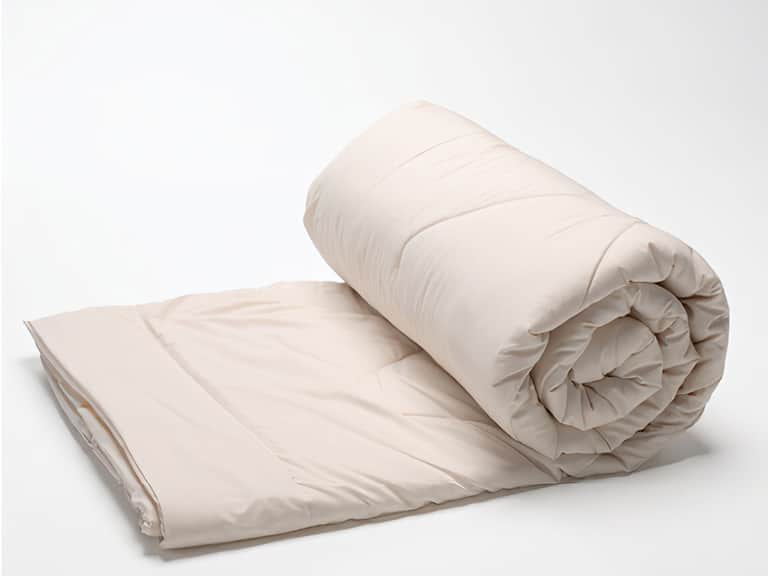
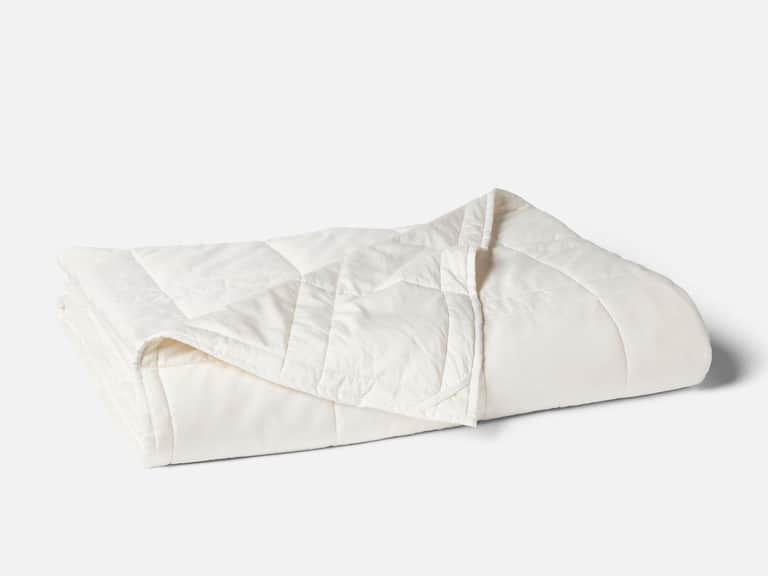
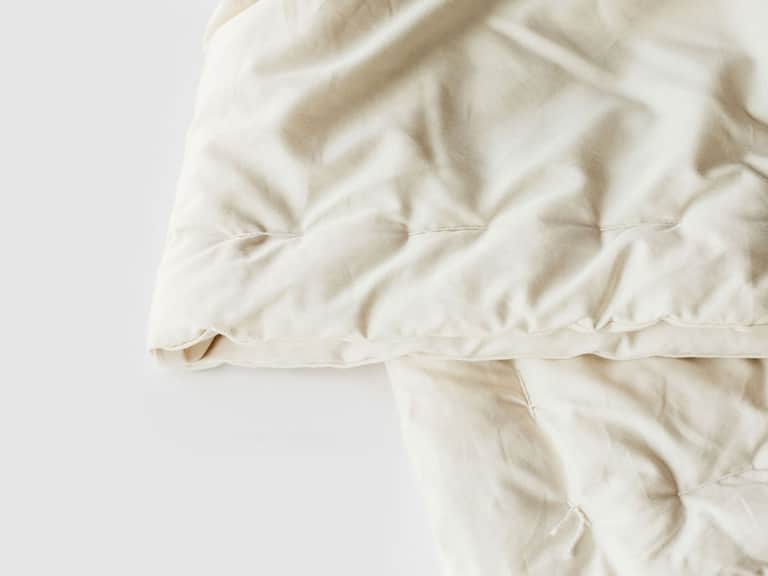
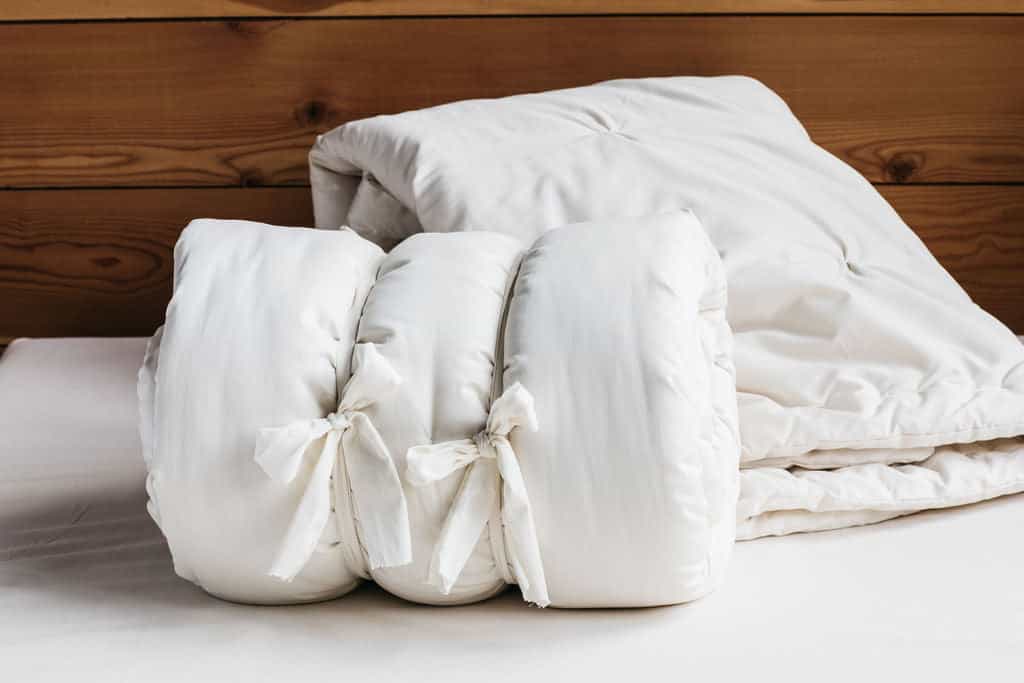
Comforters provide a warm, insulating layer that helps regulate body temperature while sleeping, with materials varying in warmth, weight, and breathability. In wool-focused bedding, comforters emphasize natural moisture management and temperature regulation, reducing overheating and moisture buildup. Understanding fabric structure, fill power, and care requirements supports better sleep environments and long-term performance.
Wool as a filling offers notable advantages for comforters, including natural moisture-wicking, odor resistance, and consistent warmth. The fiber structure traps air, yielding a breathable yet insulating layer suitable for year-round use. When evaluating comforters, consider fiber origin, weave, and fill weight to align with climate and personal thermal preferences.
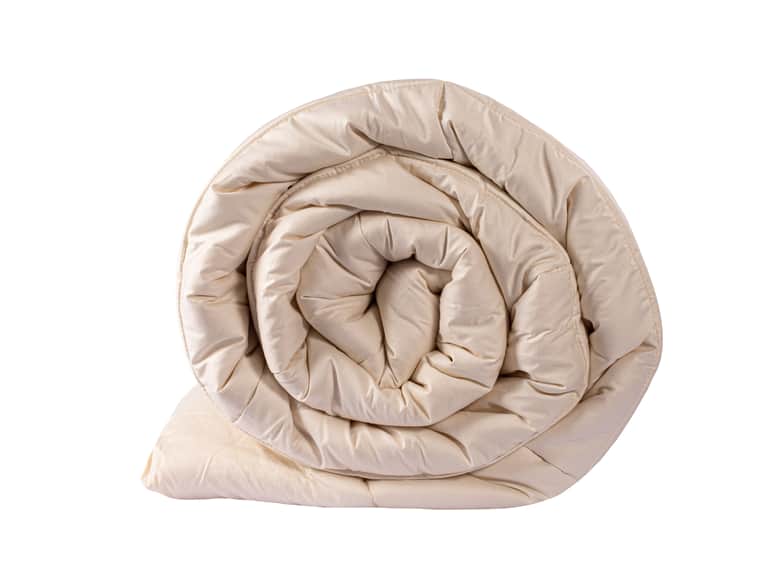
Within this category, product features such as the Suite Sleep Washable Wool Comforter highlight practical usability, including machine washable care and durable construction. Washability enhances hygiene and convenience, while wool fibers maintain loft and insulation after cleaning. Functional benefits include easy maintenance without compromising warmth or softness.
For families and nurseries, appropriate comforters balance safety, softness, and warmth. Natural wool can contribute to allergen reduction and breathability, supporting a comfortable sleep surface for infants and caregivers alike. When selecting a comforter for nursery use, evaluate fiber purity, density, and laundering guidelines for sustained comfort.
Understanding key terms—bedding materials, memory foam pillows, latex, and related products—helps clarify how comforters interact with other sleep accessories. While focusing on wool, recognizing compatibility with pillow types and coordinating bedding can optimize sleep quality. This awareness supports informed choices about insulation, warmth levels, and long-term care within a holistic rest environment.
 Bedding